
From Tufting to Rolling: The Final Steps Behind Artificial Grass Production
When artificial grass comes off the tufting machine, it may already look finished. In reality, several important steps still remain before the turf is ready for packing and shipment.
Backing and Coating
After tufting, a coating layer is applied to help stabilize the turf structure and improve tuft retention. The backing system varies according to the product design and application, so this process follows the confirmed production specification.
Drying and Curing
After coating, the turf passes through a controlled drying process. Temperature and production speed need to remain stable so the finished backing is consistent across the roll.
Inspection Before Rolling
Before rolling, the turf is checked for visible defects and specification consistency. Pile height, stitching, backing condition, color and overall surface appearance can be reviewed at this stage.
Rolling and Packing
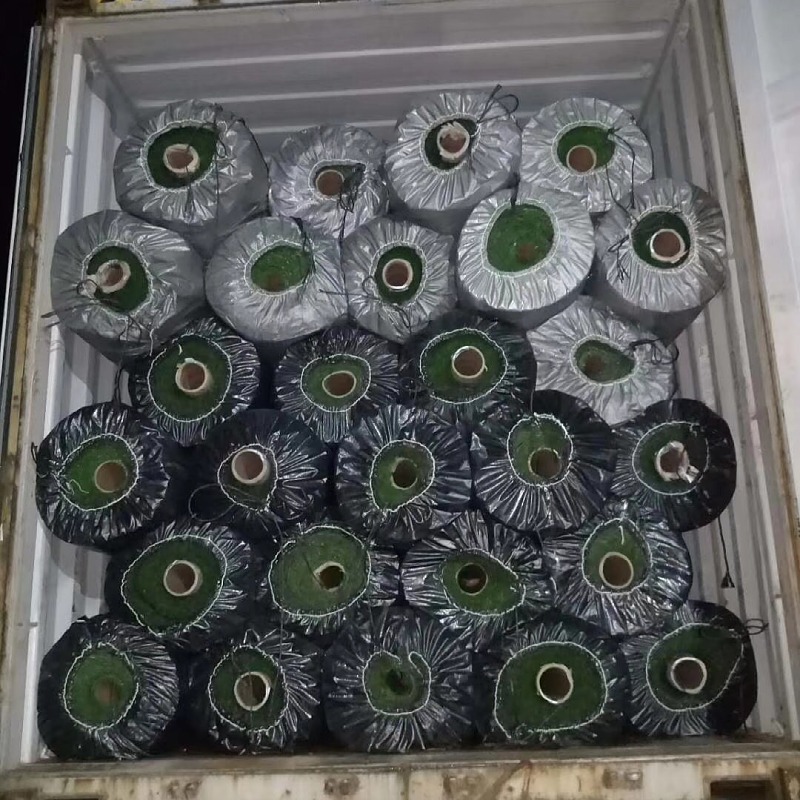
The finished turf is then rolled tightly and prepared for transportation. Proper rolling keeps the product compact during handling and container loading.
Roll information can also be marked according to the order, making different products or specifications easier to identify after arrival.
More Than Just Tufting
Artificial grass production does not end when the yarn is tufted into the backing. Coating, drying, inspection and rolling help turn the material into a stable, inspectable and transport-ready product.
For international orders, these finishing stages are an important part of consistent production and shipment preparation.
 From Tufting to Rolling: The Final Steps Behind Artificial Grass Production
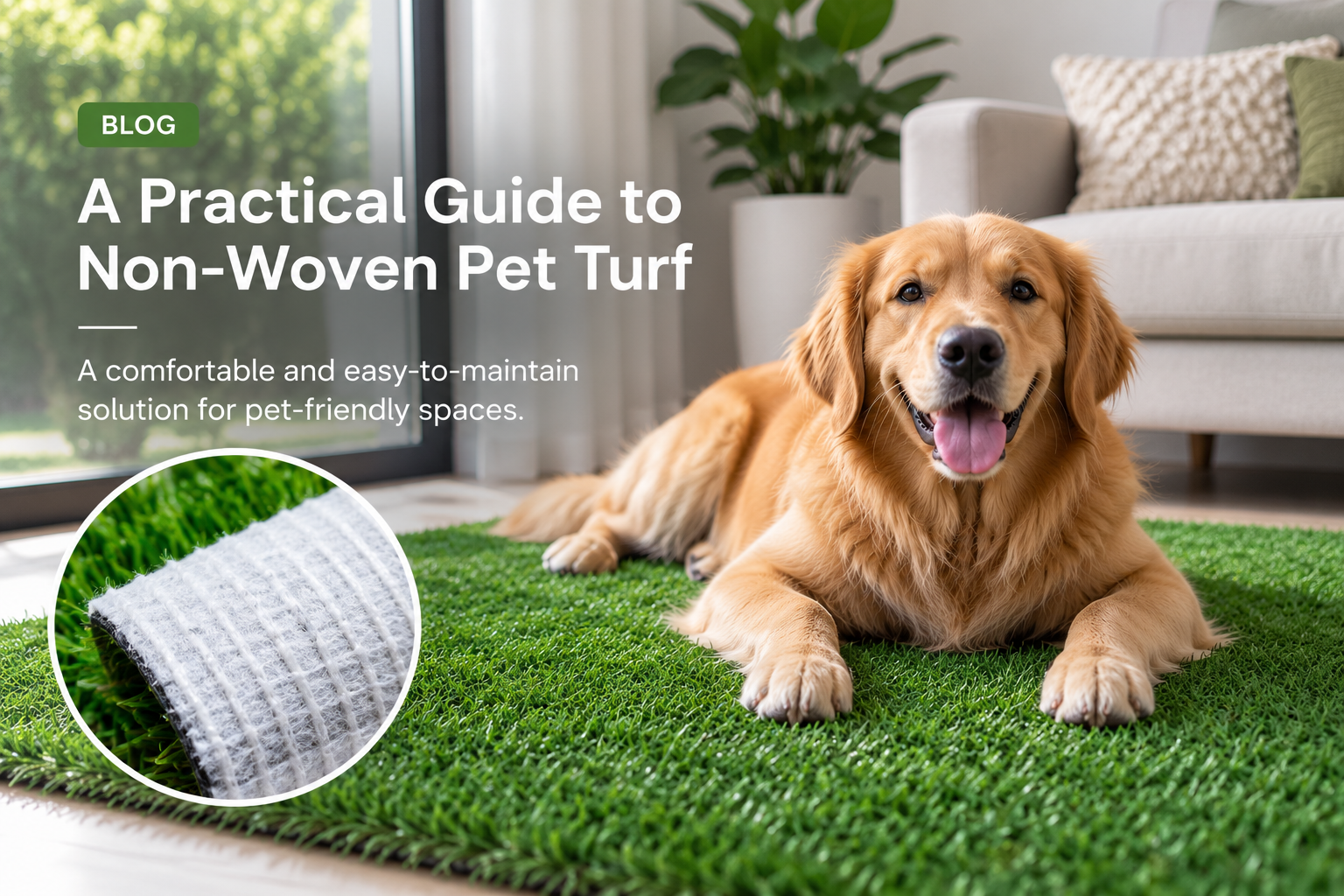 Non-Woven Backing Pet Turf: A Flexible Option for Pet-Friendly Spaces
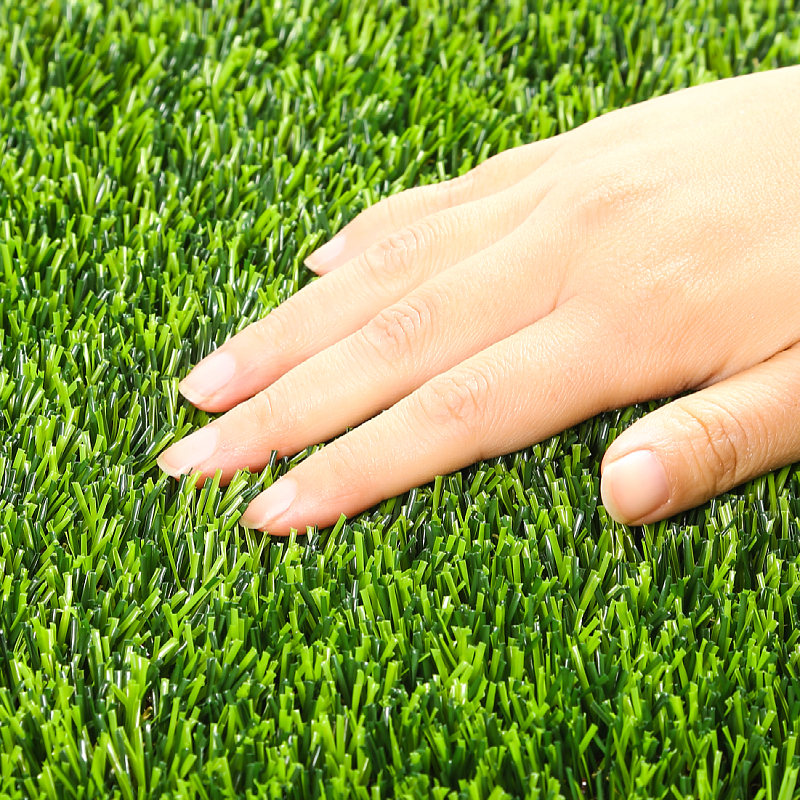 Artificial Grass Color Under Different Lighting: A Practical Guide for Buyers
 30mm Artificial Grass Is Not Always the Same: Key Details Buyers Should Check